Smoke, Agave, and Clay: The Deep Culinary Roots of Oaxaca
How ancestral corn, smoked chilies, and hand-molded earthenware shape one of the world's most intricate culinary cultures.
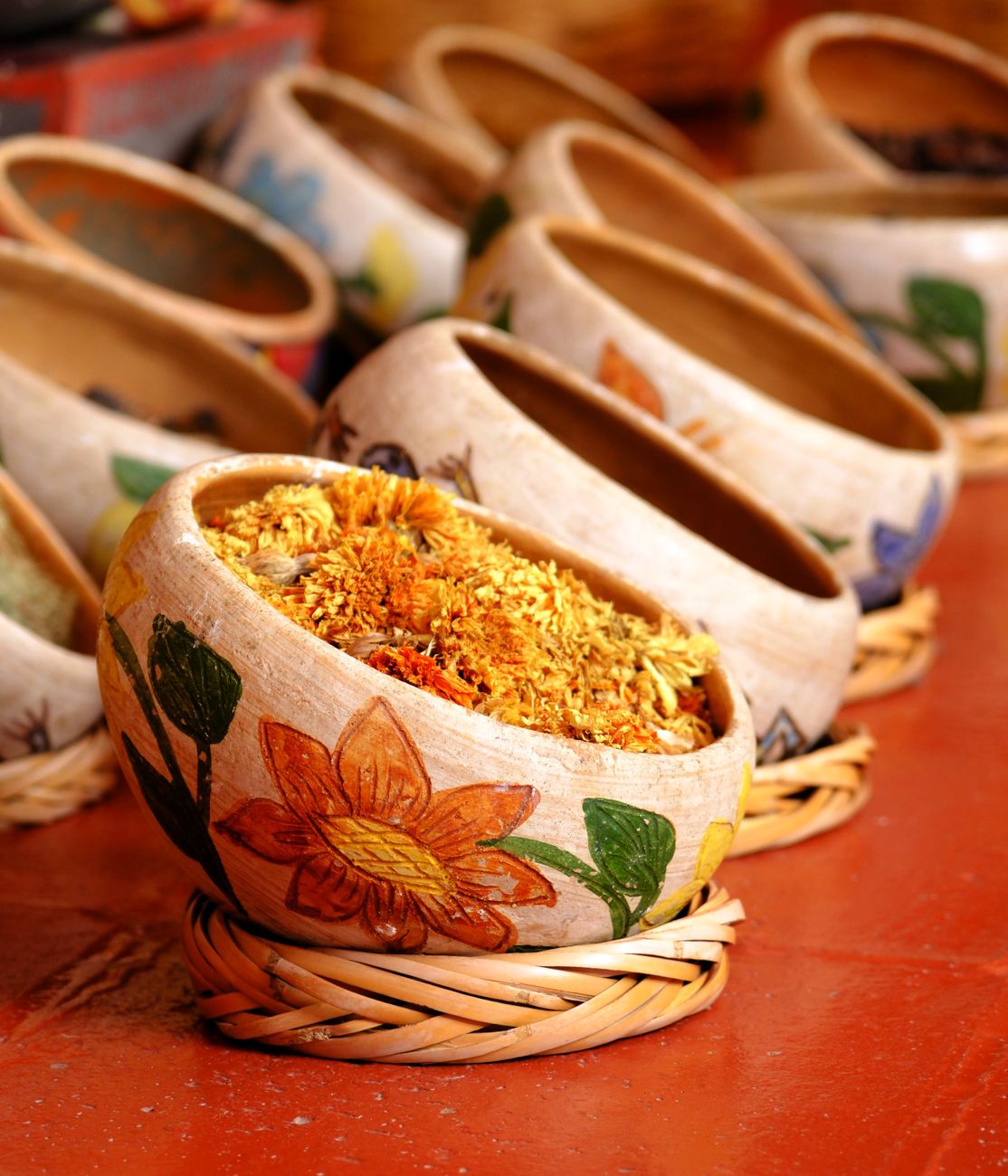
In the Central Valleys of Oaxaca, cooking begins not with modern recipes, but with the scent of oak smoke rising from clay comales before sunrise. The sound of masa being hand-pressed by female cooks forms the daily metronome of the village.
The Seven Moles and Their Secrets
Oaxacan mole is not a sauce; it is a tapestry. A classic Mole Negro combines more than thirty ingredients: pasilla and chilhuacle chilies, charred plantains, bitter Mexican chocolate, cloves, and aromatic thyme. Each element is individually toasted until achieving its distinct aromatic threshold before being ground on volcanic stone metates.
"To taste food here is to comprehend centuries of agrarian wisdom, seed selection, and communal solidarity."
In nearby villages like San Bartolo Coyotepec and Santa María Atzompa, red and black clay pots are hand-sculpted without motorized wheels, then wood-fired in subterranean kilns. The clay imparts a delicate mineral tone to stews and beans that no stainless steel pot can duplicate.
Agave as Living Heritage
Beyond the table, wild agaves—Tobalá, Tepeztate, and Espadín—are harvested by mezcaleros who understand the plant's twelve to twenty-year life cycle. Roasted in underground conical pits lined with volcanic stones and fermented in pine vats, the spirit captures the precise character of the earth.
Taste Authentic Oaxaca
Explore our curated culinary itinerary focusing on indigenous cooperatives and traditional palenques.
Inquire for Guidance